

What Is Empathy? A Bullying Storybook for Kids
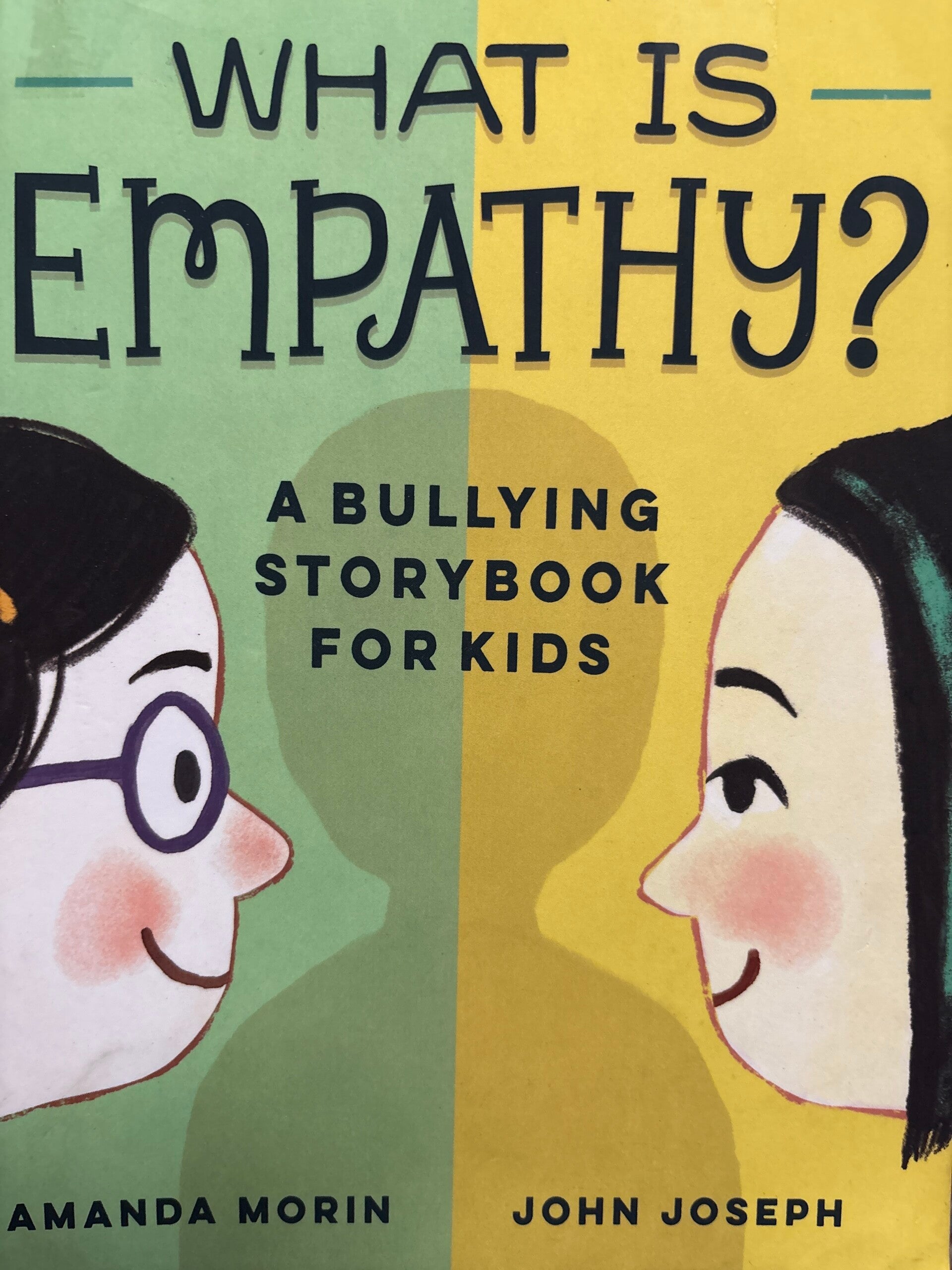
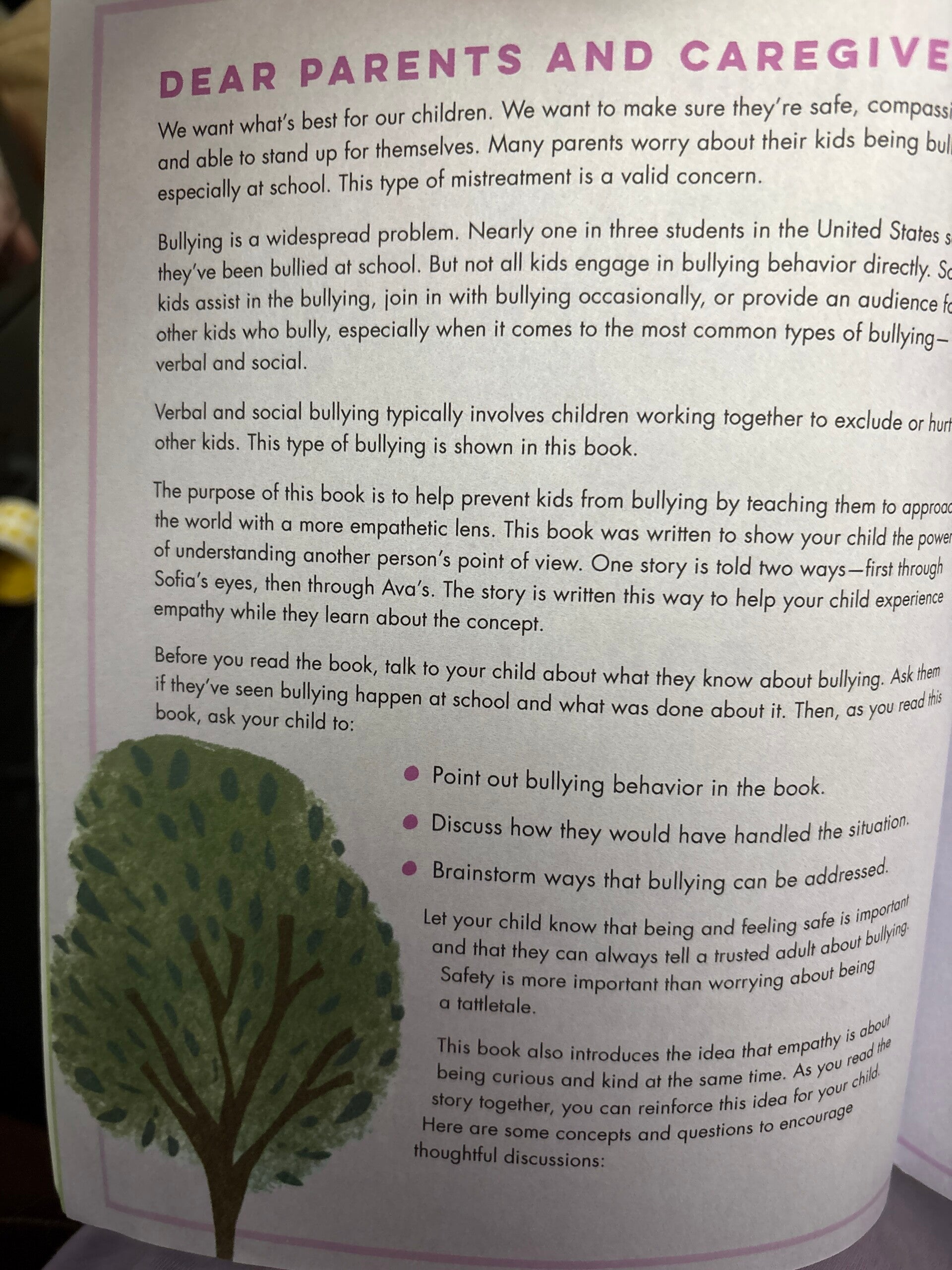
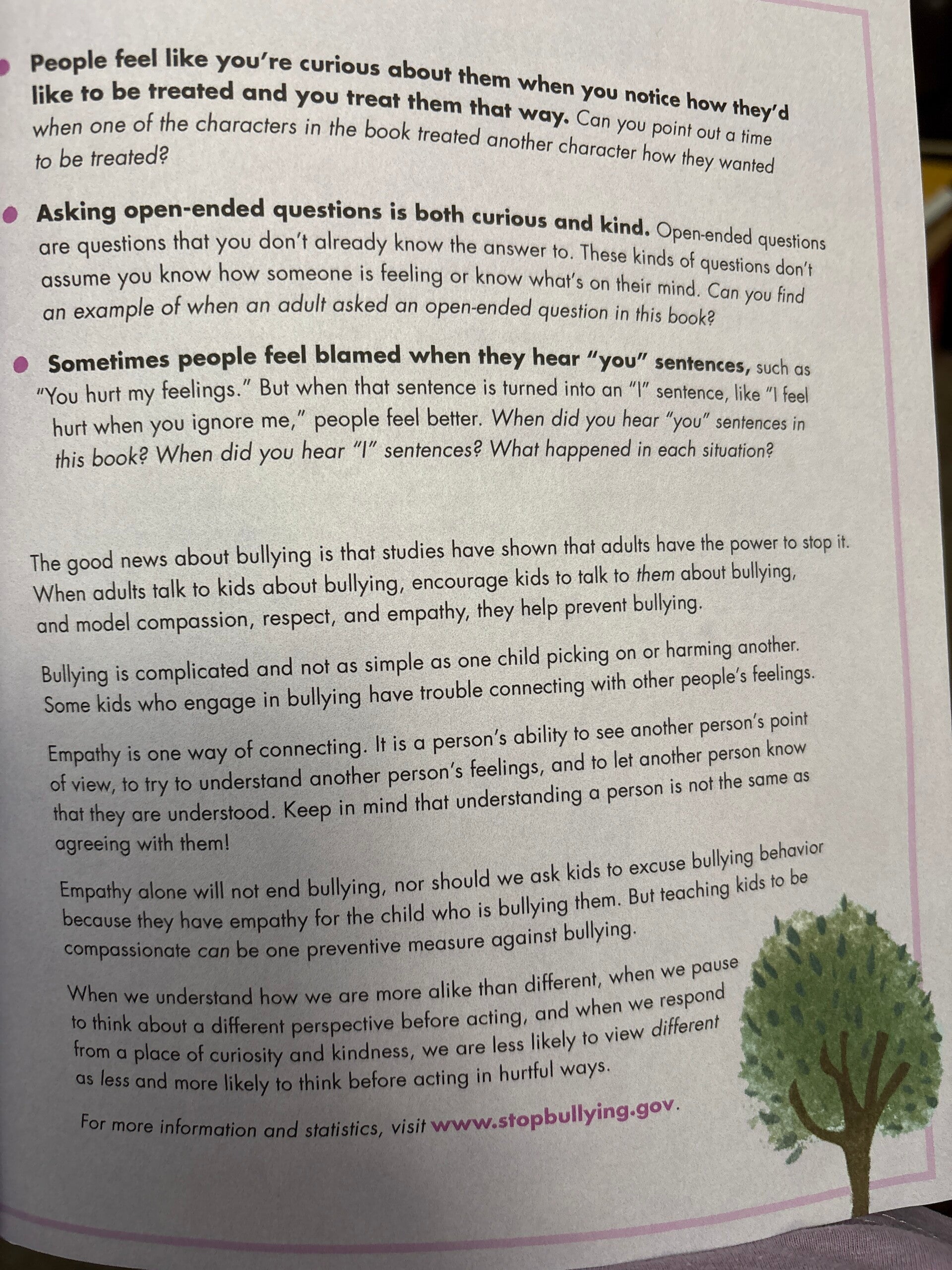
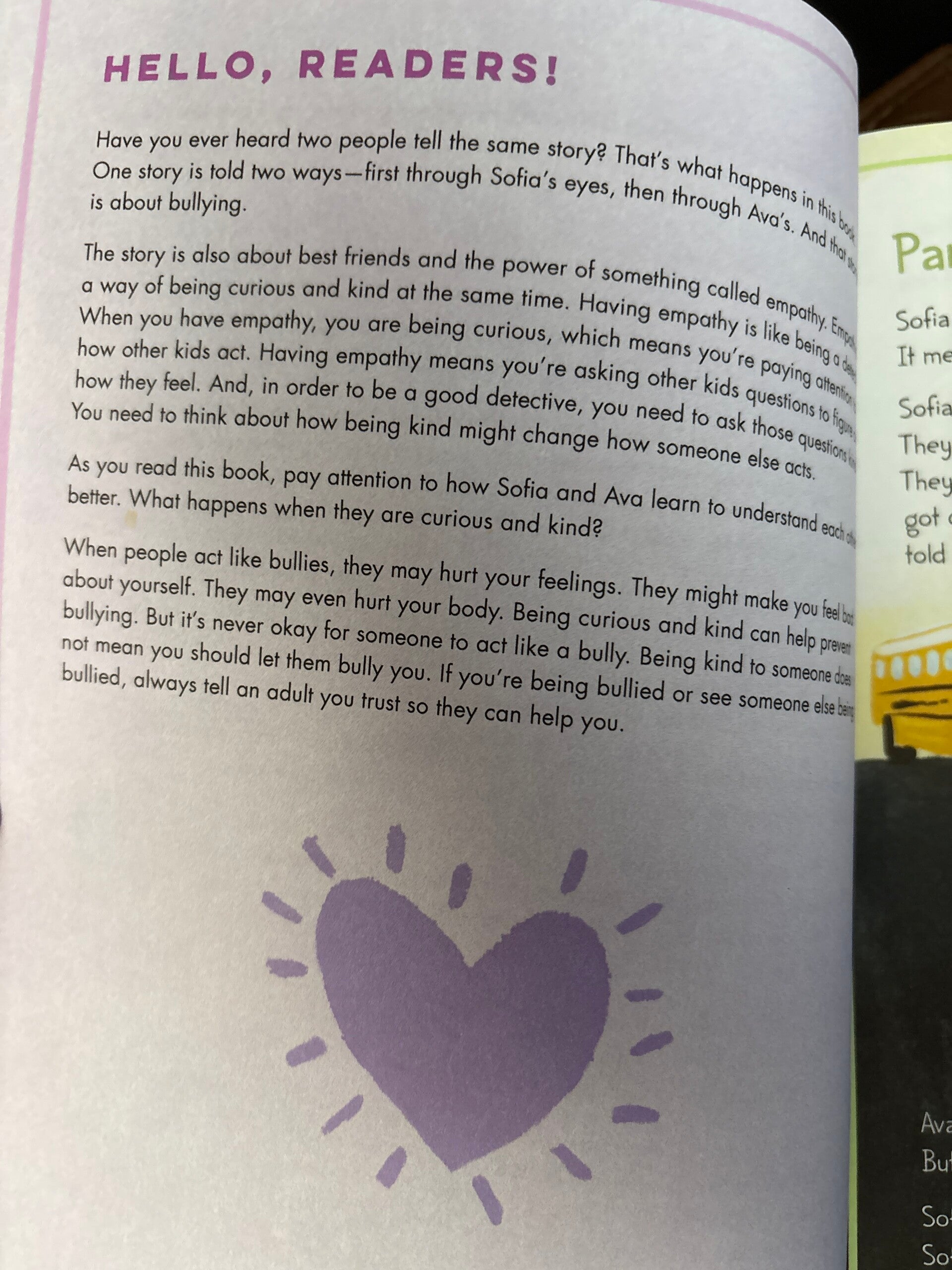
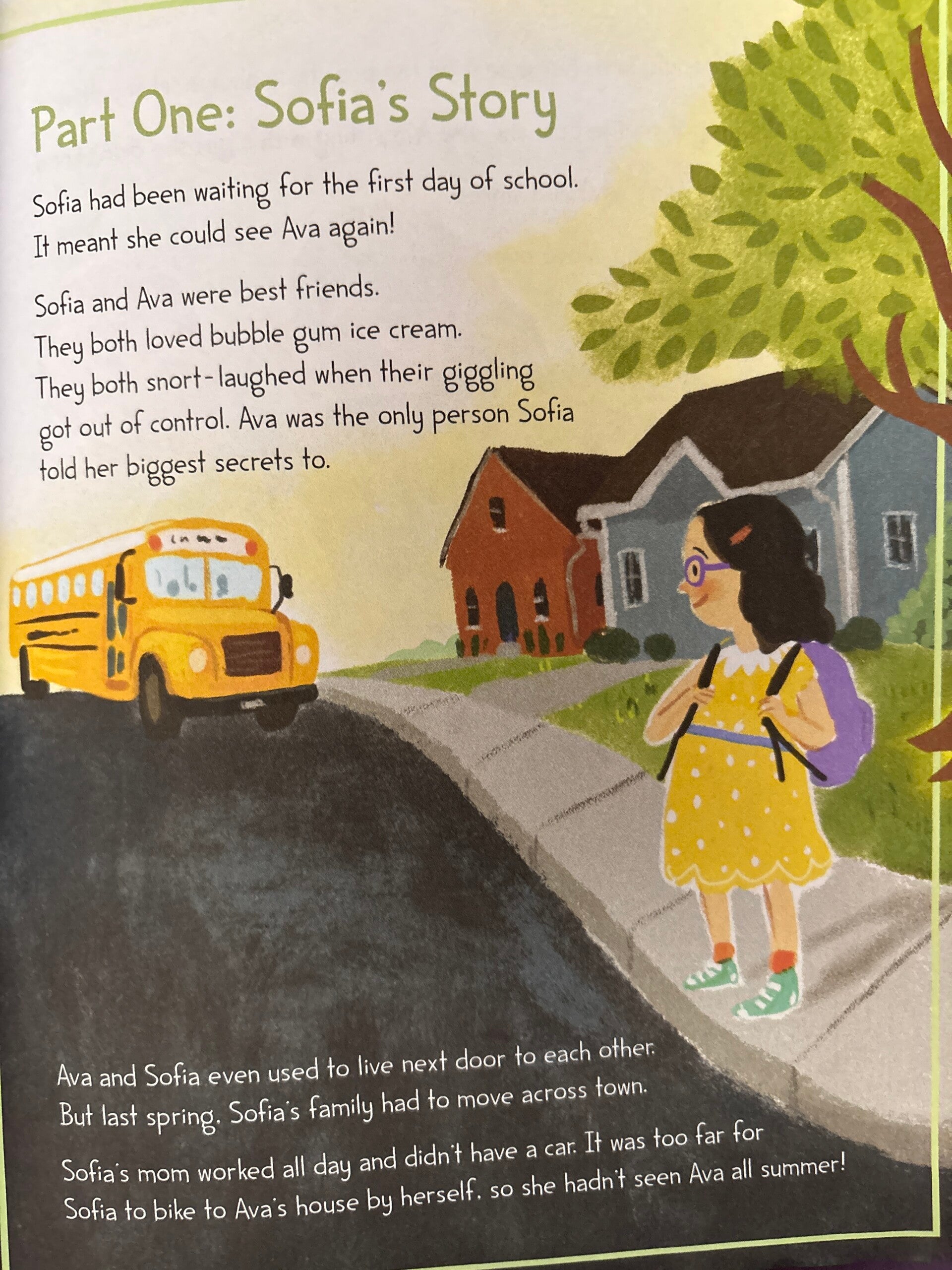
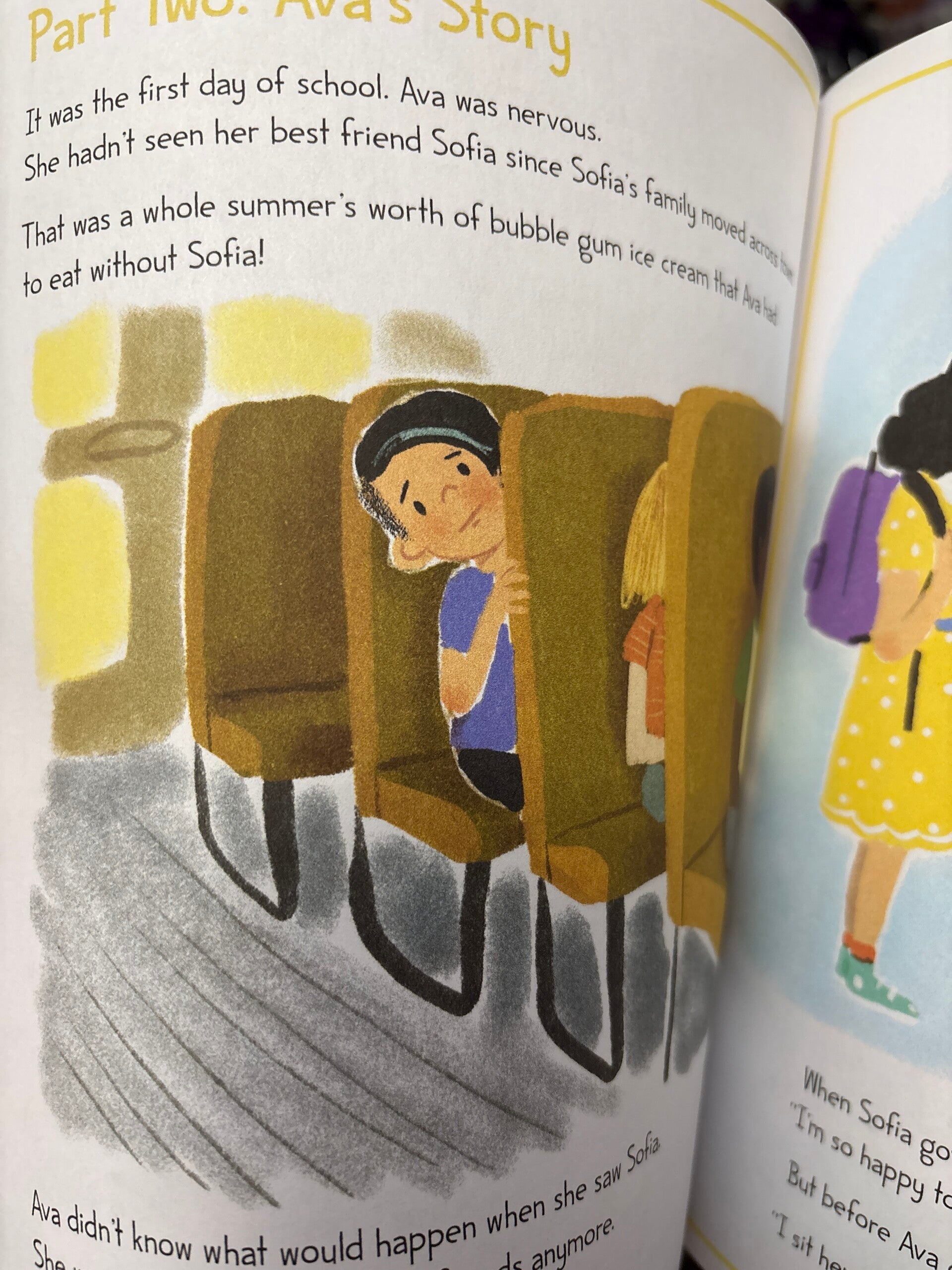
What Is Empathy?: A Bullying Storybook for Kids by Amanda Morin & John Joseph
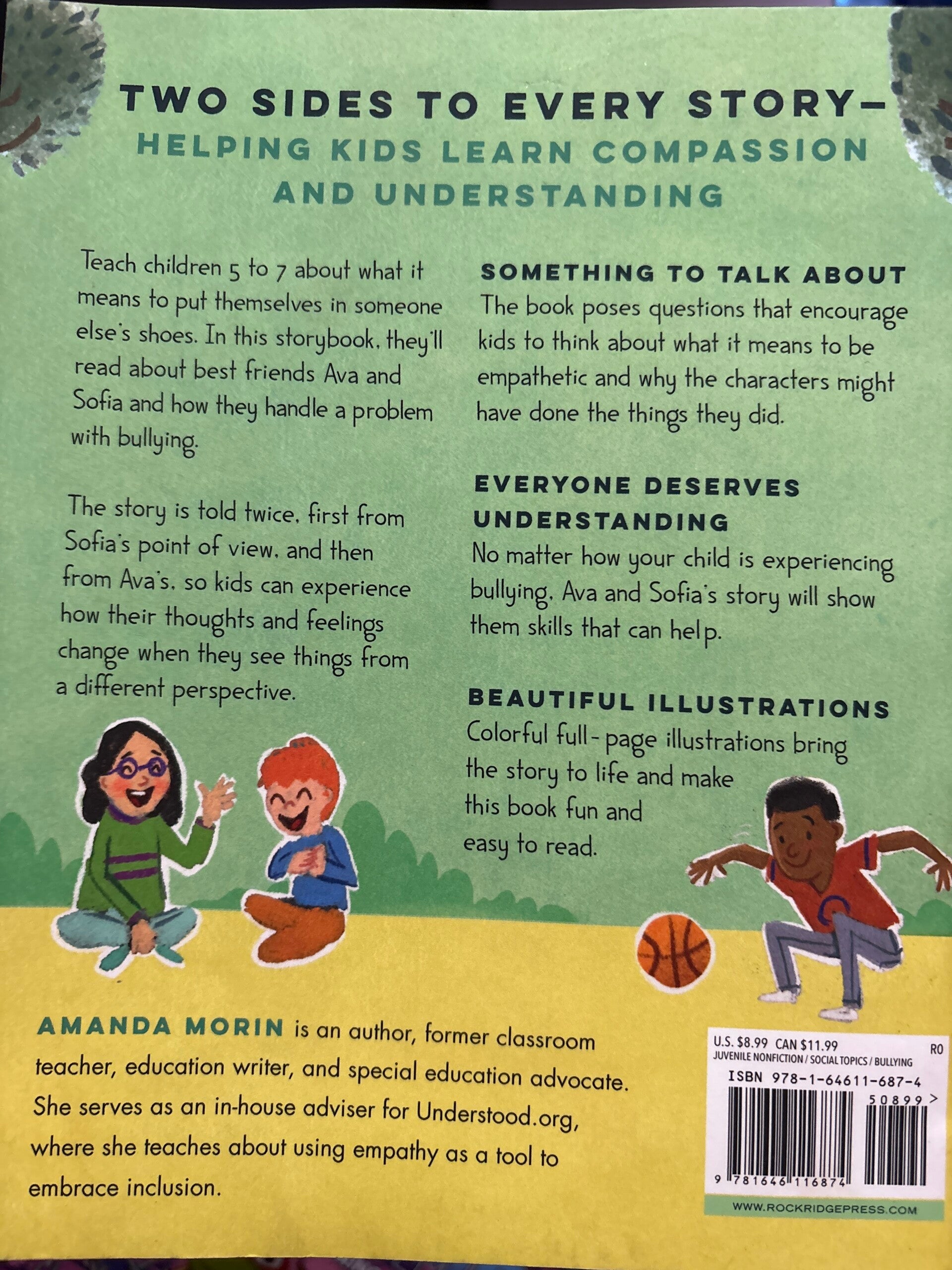
There are at least two sides to every story. Recognizing this helps kids to learn compassion & understanding.
Help children to learn what it means to put themselves in someone else's shoes through books like this.
In this storybook, kids will read about best friends, Ava & Sofia. They'll read how these two friends handle a problem with bullying.
The story is told twice. First, the story is told from Sofia's point of view. Then, it is told from Ava's point of view. This allows kids to experience how their thought & feelings change when they see things from different perspective.
You may also like:
•Empathy Is...
•Diversity Is...
•Bullying Is...
•Belonging Is...
Format: Softcover
Ages: 5-8 years
Page Count: 50 pages (approx)
Dimensions: 9 x 7.5 inches (approx)
Educational Value: The messages in this book promote healthy whole child development by promoting positive social interactions, fostering altruism, explaining abstract concepts like empathy, teaching tolerance, encouraging acceptance & celebrating diversity.
Enrichment Idea: Follow along with this story read aloud of Empathy Is... on Youtube
Maestra's Memo: Empathy & altruism are values that are often overlooked as requirng development. Take time to discuss different perspectives & emotional responses to different situations. Allow children to witness & experience how one event can have dofferent impacts on different people.
Teaching Tip: Ask children to share their emotional responses & thoughts to the bullying situation after reading Ava's perspective. Then, have children share their emotional responses & thoughts after they read Sofia's perspective. How are the perspectives the same? How are they didferent? Have tbe readers' experienced a change in thoughts or feelings adter reading both accounts? Discuss other possible perspectives & outcomes.
Extend the Learning: Consider watching this adorable Youtube video (The Tale of Two Beasts) that illustrates how different situations can be perceived differently. It does not mean that one perspective is right & the other is wrong. It shows that it is important to understand & appreciate that different people's account, perspective & responses to a single situation or occurrence can be different & it is important to keep that in mind when we interact with others.
Check out other great resources for promoting multicultural awareness, inclusivity, tolerance & other healthy social-emotional values!